
Islands
Big Island Travel Guide: Volcanoes, Kona, and Hilo
A practical Big Island travel guide: Hawaiʻi Volcanoes National Park, Mauna Kea, Kona coffee, Hilo town, where to stay, and when to visit.
Hawaiʻi Island - the Big Island - is the largest and youngest of the Hawaiian islands, and the only one still actively building itself through volcanic eruption. It holds Hawaiʻi Volcanoes National Park, the towering summit of Mauna Kea, the coffee farms of the Kona coast, black sand beaches, and the historic town of Hilo. If you want raw, dramatic landscape and the feeling of a place still in formation, this is the island.
Big Island overview
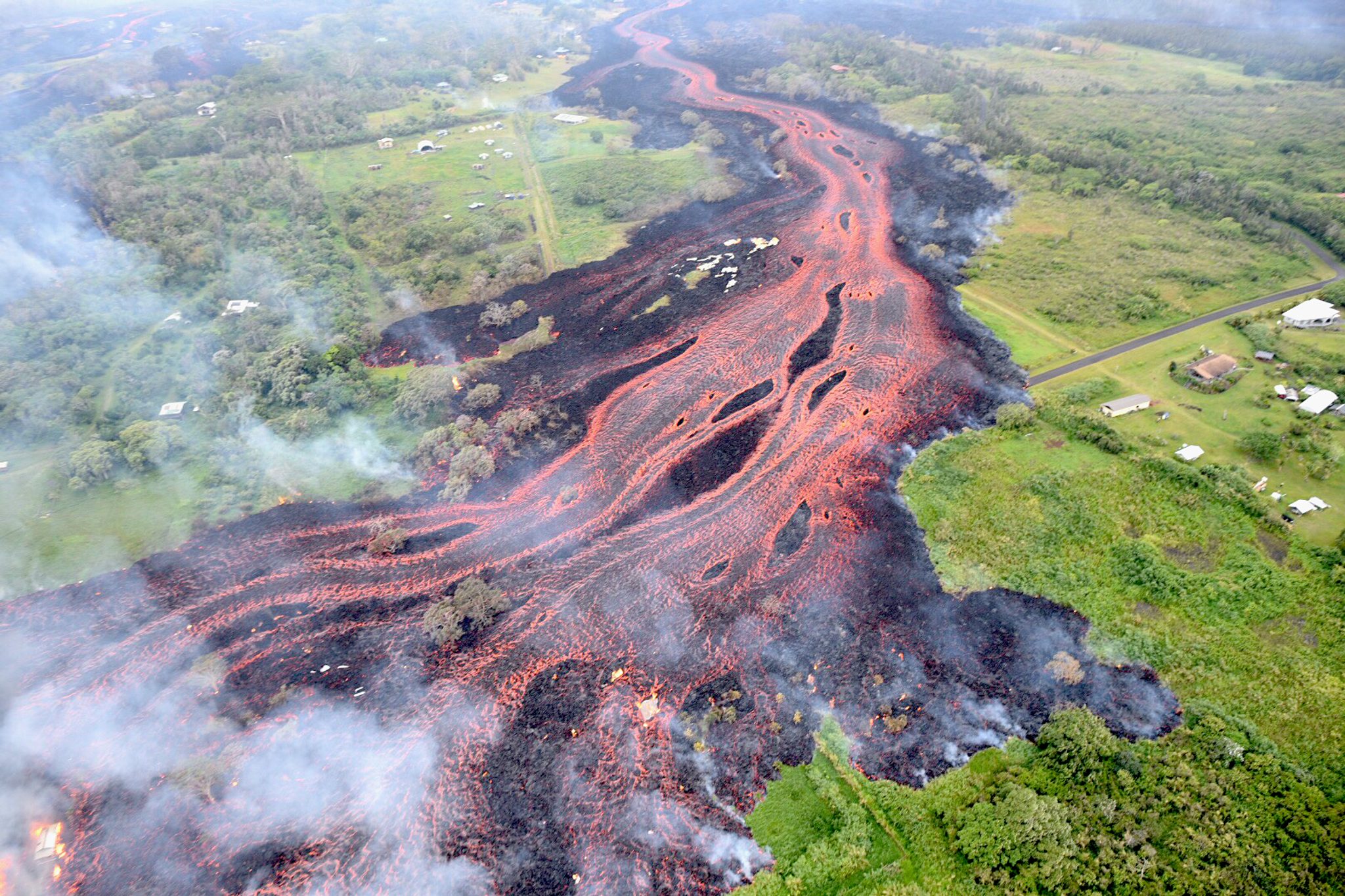
At roughly 4,028 square miles, the Big Island is larger than all the other Hawaiian islands combined - and it is still growing. Kīlauea, one of the world's most active volcanoes, has been adding new land to the island's southeastern coast intermittently since 1983, most dramatically during the 2018 eruption that added more than 800 acres of new coastline. The island is geologically young, which means its landscapes are raw: black lava deserts, active steam vents, aa and pahoehoe lava fields you can walk across, and the unmistakable smell of sulfur near the summit caldera.
The Big Island contains an extraordinary range of climates within a single landmass. The Kona Coast on the leeward (west) side is sunny and dry, with resort developments and coffee farms terracing the volcanic slopes. Hilo on the windward (east) side receives more than 120 inches of rain annually, feeding waterfalls, rainforests, and botanical gardens. The summit of Mauna Kea, at 13,803 feet above sea level (and more than 33,000 feet from its base on the ocean floor), is alpine tundra where temperatures drop below freezing year-round and where snow falls in winter. You can experience desert, rainforest, farmland, and alpine conditions all within a two-hour drive. No other place in Hawaii, and few places anywhere, offer that compression.
Two airports serve the island: Kona International Airport (KOA) on the west side and Hilo International Airport (ITO) on the east side. Most visitors fly into Kona, which has more direct mainland flights and is closer to the majority of resorts and tourist infrastructure. Flying into Hilo makes sense if your focus is the volcano park, waterfalls, and the wetter, greener east side. Either way, a rental car is essential. The island is simply too large to navigate otherwise.
Top things to do
Hawaiʻi Volcanoes National Park is the headline attraction and one of the most otherworldly landscapes accessible by paved road in the United States. Kīlauea's summit caldera, Halemaʻumaʻu, often contains an active lava lake - though whether you will see glowing lava depends entirely on current volcanic activity, which cycles between eruptive and quiet phases. The park's 11-mile Crater Rim Drive circles the summit caldera, passing steam vents, sulfur banks, and lava tubes. The Thurston Lava Tube is a short walk through a fern forest into a 500-year-old tunnel carved by flowing lava. At night, when Halemaʻumaʻu is actively glowing, the steam rising from the crater reflects the light in shades of red and orange visible from multiple overlooks - a sight worth building an entire trip around.
Always check current conditions and safety advisories with the National Park Service before you visit. Volcanic eruptions can close roads and trails with little notice. Vog - volcanic fog created when sulfur dioxide mixes with moisture in the air - can affect air quality across the island depending on wind direction, and people with respiratory conditions should monitor vog levels closely.
Mauna Kea offers some of the clearest, darkest stargazing on Earth. The summit at 13,803 feet is home to some of the world's most powerful telescopes, and the visitor information station (VIS) at 9,200 feet hosts free nightly stargazing programs with telescopes available for public use. The drive to the summit requires a 4WD vehicle and acclimatization stops, and many visitors opt for guided summit and stargazing tours that handle logistics and provide warm parkas for the freezing summit temperatures. The Mauna Kea Access Road is unpaved above the VIS, and most rental car agreements explicitly prohibit driving it. Know the rules before you go.
The island also holds black sand beaches at Punaluʻu (where green sea turtles haul out to bask), waterfalls and gardens near Hilo including the 442-foot Akaka Falls, and world-class snorkeling and diving at Kealakekua Bay and the Captain Cook Monument. Manta ray night snorkels and dives off the Kona Coast are among the most memorable wildlife encounters Hawaii offers: dozens of manta rays with wingspans up to 12 feet glide through underwater lights as they filter-feed on plankton. Tours book out weeks ahead in peak season.
Book Big Island tours
Volcano tours, Mauna Kea stargazing, manta ray night snorkels, and coffee farm visits.
Book Hawaii ToursKona and Hilo
Kona, on the leeward (west) coast, is the tourist hub. Kailua-Kona town is the primary base for resorts, vacation rentals, restaurants, and activity operators. The Kona Coffee Belt - the narrow elevation band between roughly 800 and 2,500 feet on the slopes of Hualālai and Mauna Loa - produces some of the world's most expensive coffee. Farm tours and tastings are available at dozens of small estates. The Kona Coast is also famous for its manta ray dives, deep-sea fishing (including the annual Hawaiian International Billfish Tournament), and the Ironman Triathlon World Championship held each October in Kailua-Kona.
Hilo, on the windward (east) coast, is greener, wetter, and less resort-oriented. It is the island's largest town and the county seat, but it feels more like a working community than a tourist destination. Historic downtown Hilo has wooden storefronts, local restaurants, and the weekly Hilo Farmers Market selling tropical fruit, flowers, and prepared food. Hilo is the natural base for the volcano park (45 minutes south), Akaka Falls, Rainbow Falls, and the lush Hamakua Coast. Rain is frequent - more than 120 inches annually - so plan indoor alternatives and pack a rain jacket.
The two sides of the island feel different enough that many travelers split their stay: a few nights on the Kona side for sun, snorkeling, and coffee farms, then a few nights in Hilo for the volcano park, waterfalls, and rainforest. The drive between them is dramatic. The southern route around the island (Highway 11) passes through South Point, the southernmost point in the United States, and offers coastal views and access to Punaluʻu Black Sand Beach. The northern route (Saddle Road / Highway 200) cuts directly between Mauna Kea and Mauna Loa through high-elevation ranchland and lava fields - faster, but with fewer stops.
Where to stay
The Kohala Coast north of Kailua-Kona holds the majority of the Big Island's resort properties: Mauna Kea Beach Hotel, Mauna Lani, Waikoloa, and the Four Seasons Hualalai anchor this stretch of coastline. These resorts are set along white sand beaches in a landscape that is otherwise dry, scrubby lava rock. The beaches are beautiful; the surrounding terrain is stark. This is the sunniest, most reliably dry part of the island, and the most expensive.
Kailua-Kona town itself offers more mid-range hotels, condos, and vacation rentals with walkable access to restaurants, shops, and the small-boat harbor. Accommodation here is less resort-focused and more practical, with grocery stores, gas stations, and daily-life infrastructure nearby. South Kona, including Captain Cook and the coffee belt, has bed-and-breakfasts and farm stays at cooler elevations with sweeping ocean views. This area works well for travelers who want quiet and coffee culture over beach access.
Hilo has fewer tourist accommodations and more locally oriented hotels and vacation rentals. Staying here makes sense if your priority is the volcano park, waterfalls, and the rainforest side of the island. Hilo is also noticeably less expensive than the Kona side. Volcano Village, a small community just outside Hawaiʻi Volcanoes National Park, has inns and B&Bs at 4,000 feet elevation where temperatures are cooler and the setting is forested and peaceful - ideal if you want to visit the park at multiple times of day without long drives.
Because of the Big Island's sheer size, accommodation choice should be driven by which activities and regions you prioritize. Daily roundtrips from Kona to the volcano park consume four hours of driving; staying on the Hilo side cuts that dramatically. Plan accordingly.
When to visit
The Big Island works year-round, though the experience varies significantly depending on which side of the island you prioritize. The Kona Coast stays reliably dry and sunny in all seasons, with daytime temperatures in the low-to-mid 80s Fahrenheit and minimal rain. This is the safest choice for beach weather and outdoor activities. Hilo and the windward coast see significant rain year-round - more than 120 inches annually - with winter being wetter than summer but no truly dry season. Rain in Hilo is often brief and localized rather than all-day downpours, so it rarely ruins plans entirely, but it does mean you should expect wet conditions and plan accordingly.
Winter (December through February) can bring snow to the summits of Mauna Kea and Mauna Loa, which is one of Hawaii's stranger and more memorable sights: snowcapped peaks visible from tropical beaches. Summit access roads may close temporarily during or after snowstorms. Summer (June through August) brings the warmest ocean temperatures and the calmest seas, ideal for snorkeling and diving. The shoulder seasons (April-May, September-November) offer good weather on the Kona side with lower prices and fewer crowds than peak summer or winter holidays.
Volcanic activity does not follow a seasonal pattern. Kīlauea erupts when it erupts, and conditions in Hawaiʻi Volcanoes National Park can change with little warning. Check the National Park Service website before your trip and remain flexible. For the full seasonal breakdown and pricing guidance, see best time to visit Hawaii, and compare the Big Island's strengths against Maui in Big Island vs Maui and across all islands in which island to visit.
Planning a Hawaii trip?
Find the best flights and hotels across all islands.
Frequently Asked Questions
Why is it called the Big Island?
Can you see lava on the Big Island?
How many days do you need on the Big Island?
We research each guide against primary sources: the Hawaii Tourism Authority and Mālama Hawaii, the National Park Service, the State of Hawaii and its Division of State Parks, the National Weather Service, and the U.S. Census. For culture, language, and history we lean on the Office of Hawaiian Affairs, the Bishop Museum, and the scholarship of Mary Kawena Pukui. We send readers to those sources rather than speaking over them. When rules, prices, or conditions change, we update the page.