
The Hawaiian Islands: Complete Guide to All 8 Islands
Comprehensive guide to all eight Hawaiian islands: Oʻahu, Maui, Kauaʻi, Big Island, Molokaʻi, Lānaʻi, Niʻihau, and Kahoʻolawe. Compare islands by activities, budget, and character to choose the perfect destination for your Hawaii vacation.
Browse The Islands
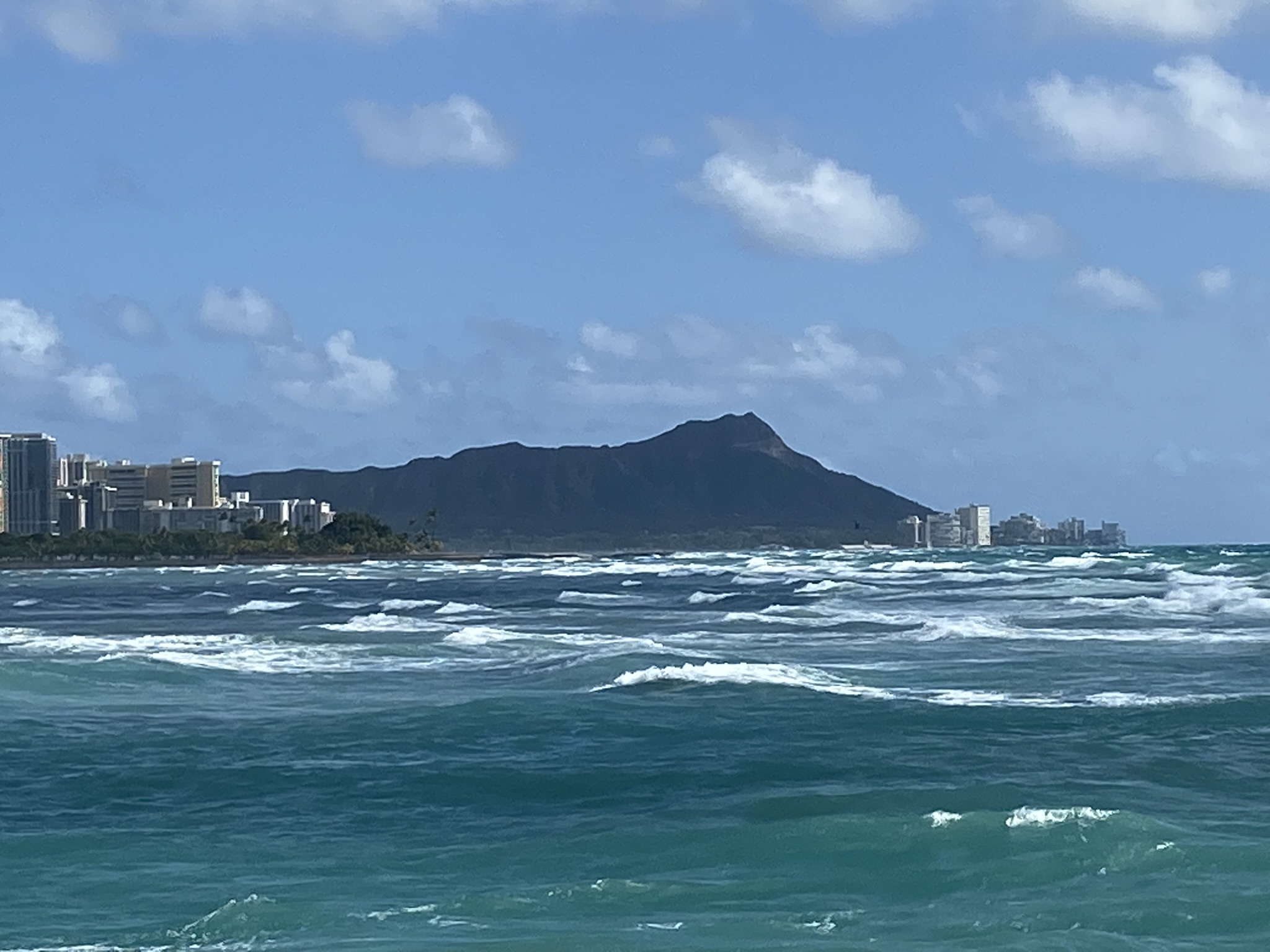



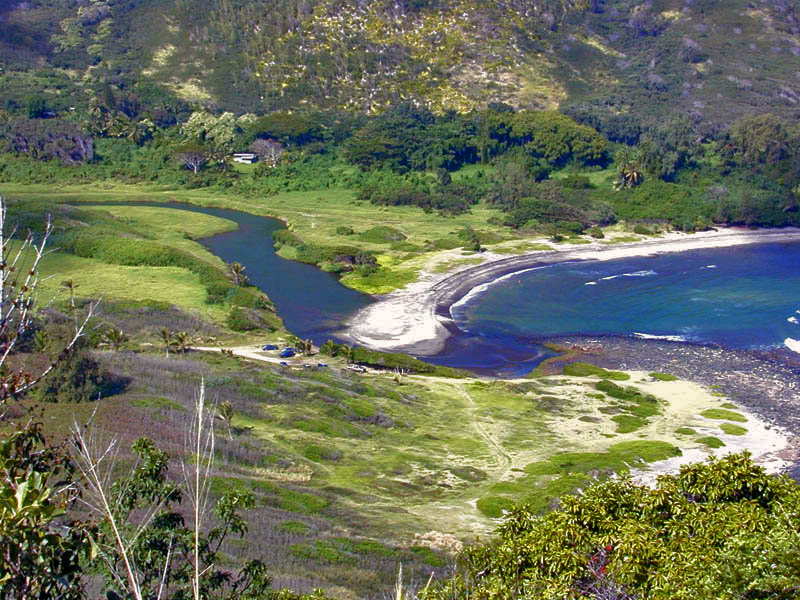

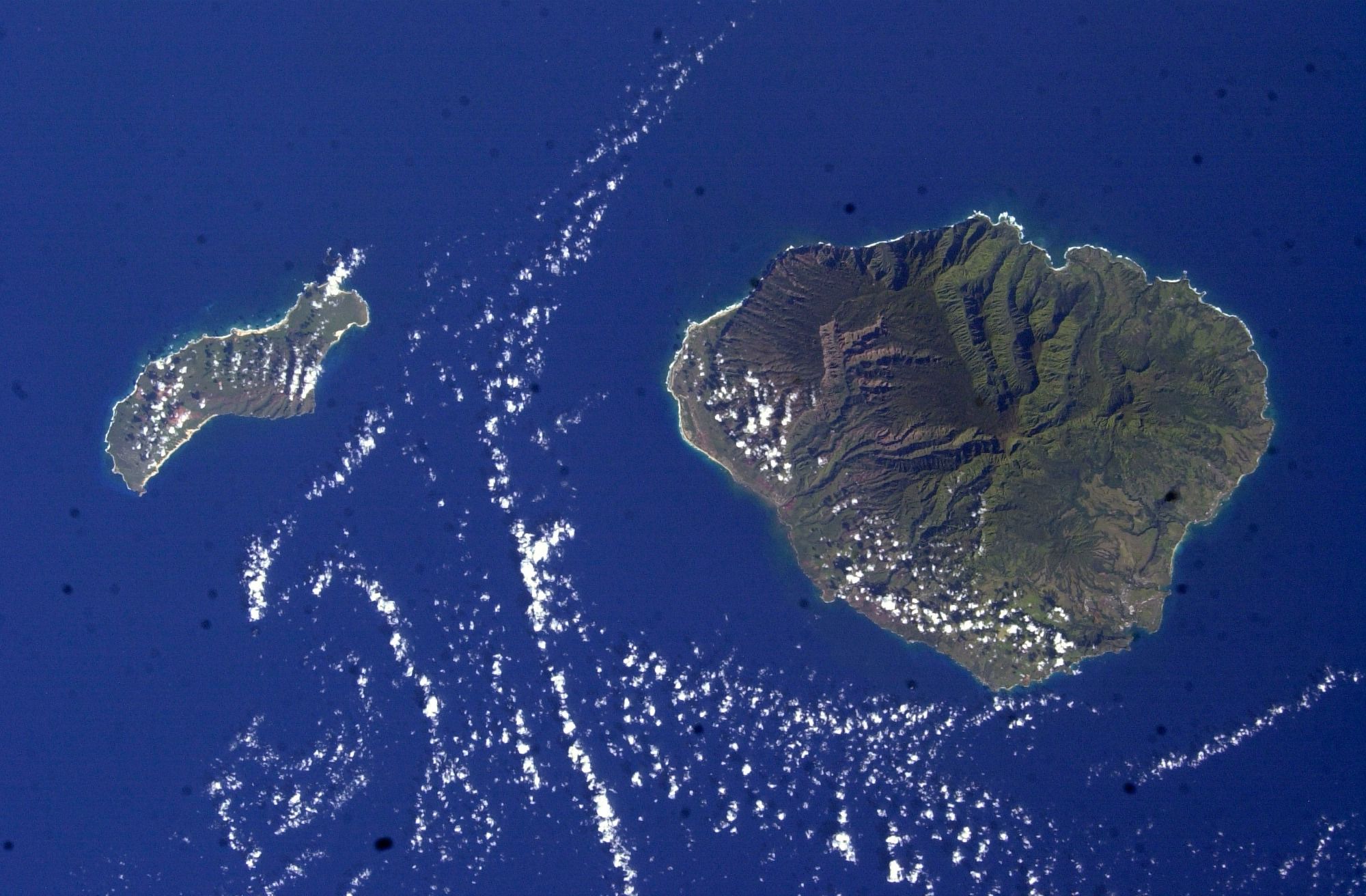
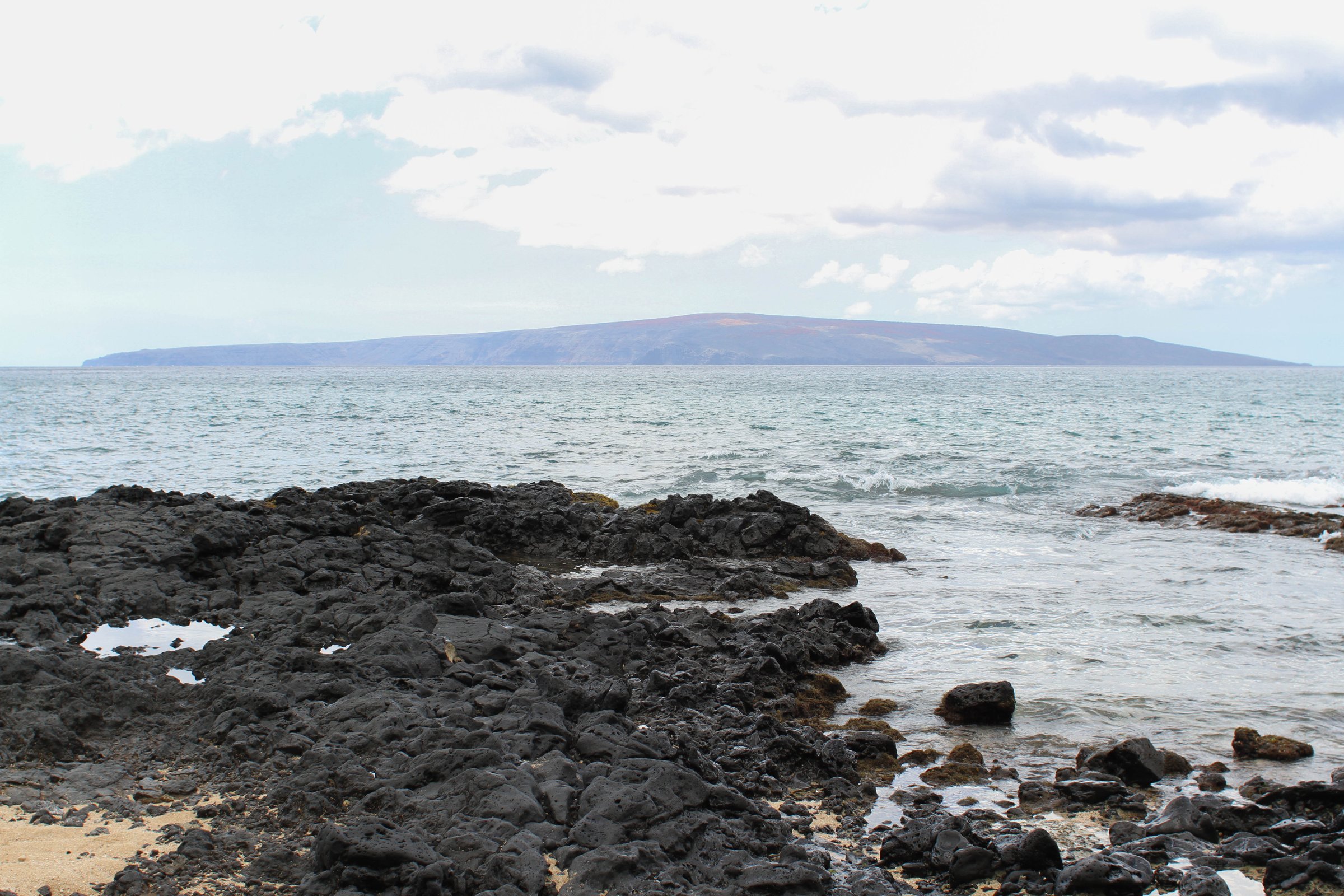
The eight main Hawaiian islands
Hawaii has 8 main islands, and seven of them are inhabited. Each island has its own distinct personality, landscape, and visitor experience, so choosing where to go is one of the most important decisions in planning your Hawaii vacation. The four major visitor islands are Oʻahu (home to Honolulu, Waikiki Beach, Pearl Harbor, and Diamond Head), Maui (famous for the scenic Road to Hana, Haleakalā National Park, and winter humpback whale watching), Kauaʻi (the oldest and greenest main island, with the dramatic Nā Pali Coast and Waimea Canyon), and Hawaiʻi Island (the Big Island, home to active volcanoes in Hawaiʻi Volcanoes National Park, Mauna Kea stargazing, and Kona coffee farms).
The smaller islands offer different experiences: Molokaʻi has the highest percentage of Native Hawaiian residents and asks visitors to travel respectfully and slowly. Lānaʻi is tiny and secluded, once covered in pineapple fields and now home to two luxury resorts and rugged back roads. Niʻihau is privately owned and closed to general visitors, preserving a Native Hawaiian community where ʻŌlelo Hawaiʻi (Hawaiian language) remains the daily language. Kahoʻolawe is uninhabited, a former military bombing range now set aside for restoration and Native Hawaiian cultural use.
How to choose an island
Start by thinking about what matters most to you. If you want city life, museums, historical sites like Pearl Harbor, and easy access to everything, choose Oʻahu. If you want stunning scenic drives, resort towns, and winter whale watching, go to Maui. If you prioritize dramatic natural beauty, hiking, and fewer crowds, pick Kauaʻi. If you want to see active lava flows, stargaze from Mauna Kea, and experience diverse climates from tropical to alpine, visit the Big Island. Our comprehensive which island to visit guide compares all four main islands in detail by budget, activities, crowds, and travel style. Once you have chosen your island, check our best time to visit guide for seasonal considerations, browse things to do for activity ideas, and read up on Hawaiian culture to travel respectfully.
Getting between islands
There are no bridges, ferries, or boats connecting the Hawaiian islands for regular passenger travel. To move between islands you must fly, typically on short inter-island flights (30 to 50 minutes) operated by Hawaiian Airlines, Southwest, and Mokulele. Most flights connect through Honolulu (HNL), though direct routes exist between major islands. If you want to visit multiple islands in one trip, plan carefully. Each island change requires checking out of your accommodation, returning a rental car, flying, picking up a new rental car, and checking in to new lodging. For a one-week vacation, visiting one or two islands is usually more enjoyable and less stressful than trying to see three or four. Read our detailed guide on island hopping in Hawaii for logistics, costs, and recommended multi-island itineraries.