
Islands
Oahu vs Maui: Which Hawaiian Island Should You Visit?
Oʻahu and Maui are Hawaii's two most visited islands and offer very different experiences. This comparison covers beaches, activities, food, cost, and crowds to help you choose.
Oʻahu and Maui are Hawaii's two most visited islands, and choosing between them is one of the most common decisions first-time visitors face. They are genuinely different places that suit different travel styles. Oʻahu offers more: more food, more history, more city energy, more accommodation variety, more nightlife. Maui offers a more intense version of the classic Hawaii experience: more dramatic scenery, more dedicated resort atmosphere, and the Road to Hana and Haleakalā as anchors that have no equivalent elsewhere.
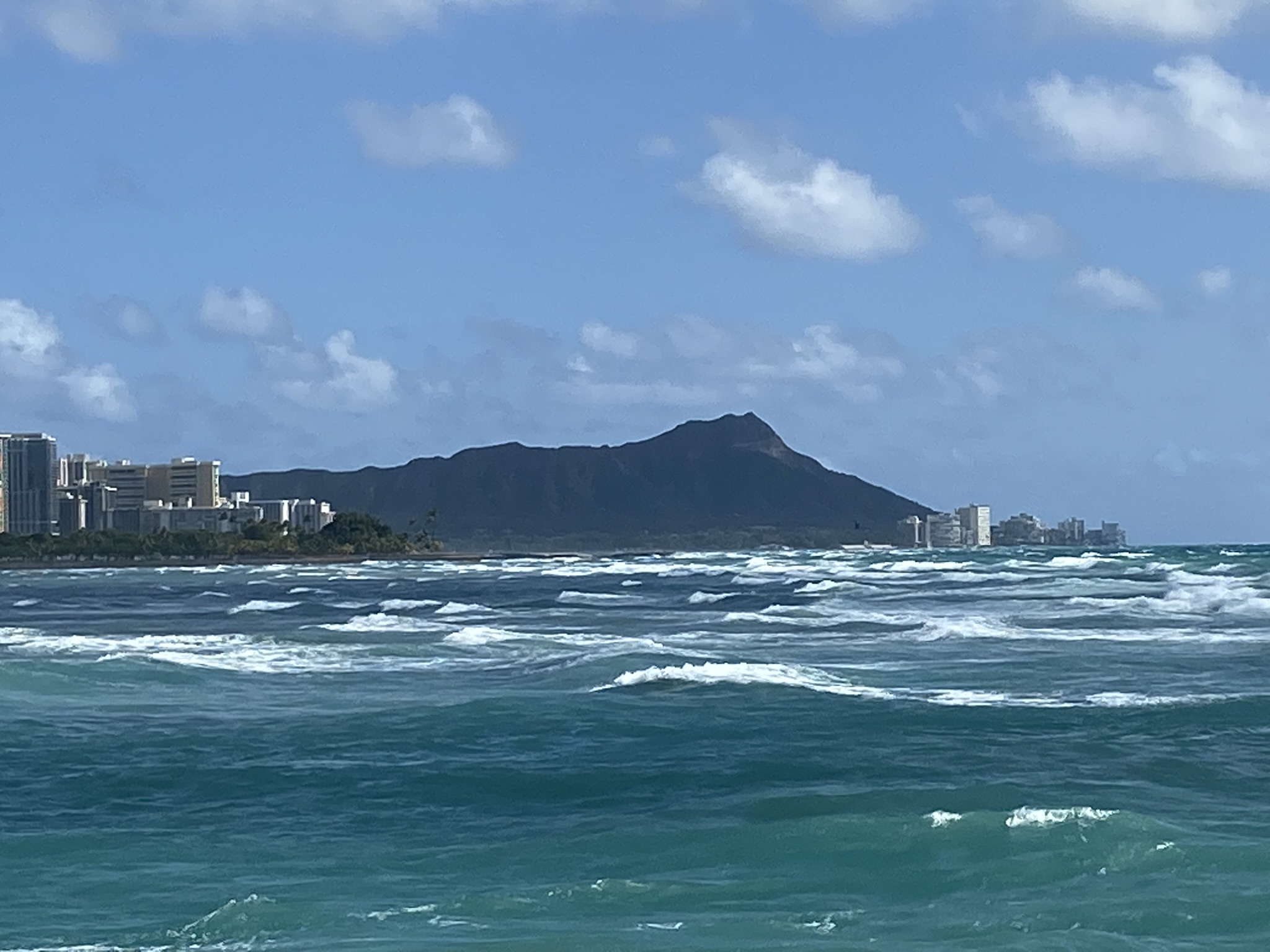
Oʻahu: Diamond Head from Point Panic
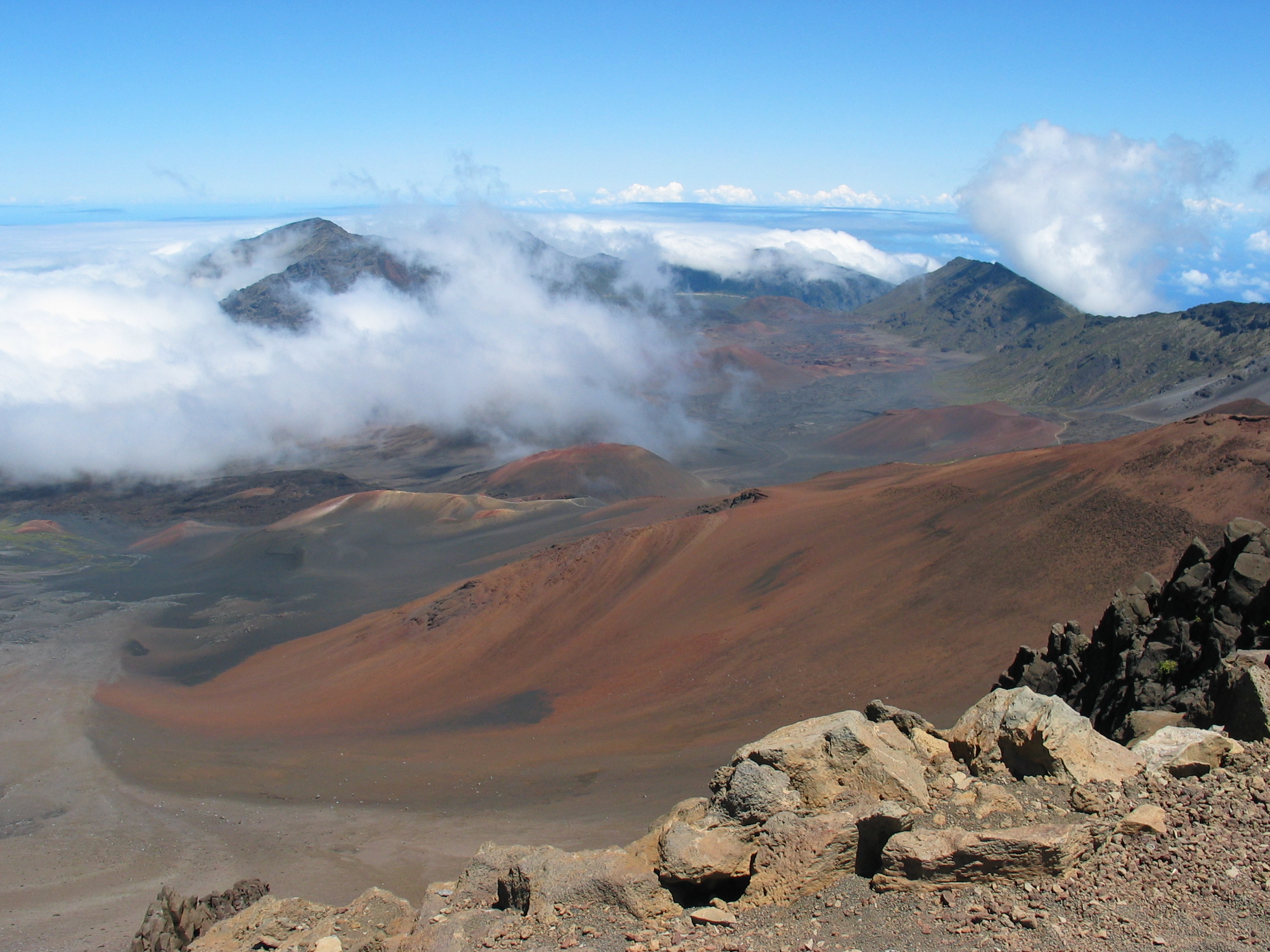
Maui: Haleakalā crater
Oahu vs Maui: the core difference
Oʻahu is where most of Hawaii's population lives: approximately 980,000 residents out of the state's 1.4 million total, about 70% of all Hawaii residents. It is an urban island with a real city in Honolulu (population ~350,000), major historical sites including Pearl Harbor, the only functional public transit system in the state (TheBus serves the entire island), and the widest range of restaurants, shopping, and accommodation at every price point from hostels to luxury resorts. Waikīkī is the tourist center: a dense, walkable neighborhood of 2.5 square miles hosting approximately 70,000 visitors on any given night, with more hotel rooms than the entire Big Island.
Maui is a resort island with a resident population of approximately 165,000, heavily concentrated in Kahului-Wailuku. It has more luxury accommodation per capita than anywhere else in Hawaii, more dedicated whale-watching tour operators than all other islands combined, two of Hawaii's most iconic natural experiences (Haleakalā National Park with its 10,023-foot summit and the 64-mile Road to Hana), and reliably excellent south-coast weather (Wailea averages 15 inches of rain per year compared to Waikīkī's 22 inches). It does not have Honolulu's urban depth, museums, or historic sites, but most visitors who choose Maui are explicitly seeking the absence of city infrastructure.
Beaches
Both islands have excellent beaches but different characters. Maui has wider, more consistently calm beaches: Kāʻanapali (three miles of golden sand, gentle slope, calm water most of the year), Wailea (five crescent beaches with manicured landscaping and resort access), and Mākena/Big Beach (3,000 feet long, 100 feet wide, pristine and undeveloped) are among the best in Hawaii for swimming and scenery. The south and west coasts' reliably sunny, calm weather (protected from trade wind swells) makes beach days highly dependable year-round.
Oʻahu has the most famous beach in the world (Waikīkī, with its iconic Diamond Head backdrop), the best bodyboarding and bodysurfing beach in Hawaii (Sandy Beach on the southeast coast, though dangerous for beginners), and the world's most legendary surf break (Banzai Pipeline on the North Shore, site of the Vans Triple Crown competition each winter). Kailua Beach on the windward coast - 2.5 miles of white sand with turquoise water, protected by a barrier reef - is comparable to the best Maui beaches in quality and was named America's Best Beach in 2019. Oʻahu's beaches are more geographically spread out and require a rental car to access the best ones from Waikīkī (Kailua is 30 minutes, North Shore is 60 minutes in traffic).
Activities and things to do
Maui exclusive experiences: Road to Hana (64 miles of waterfalls, rainforest, and black sand beaches), Haleakalā sunrise above the clouds, humpback whale watching (December-April, best in the state), Molokini Crater snorkeling. Oahu exclusive experiences: Pearl Harbor (no equivalent elsewhere), the Polynesian Cultural Center in Lāʻie, the North Shore surf spectating, the Honolulu Museum of Art. Both islands have excellent snorkeling, hiking, and luau shows.
Food and nightlife
Oʻahu wins on food and nightlife by a significant margin. Honolulu has a genuine restaurant scene with James Beard-recognized chefs, Chinatown with diverse cheap eats, and a broader range of cuisines than anywhere else in Hawaii. Maui has excellent restaurants concentrated in Kīhei, Wailea, and Pāʻia, but the island's resort economy means dining out costs more and the variety is narrower. For nightlife, Waikīkī has bars, clubs, and entertainment venues; Maui's nightlife is low-key and scattered.
Crowds and cost
Maui accommodation is generally 20-40% more expensive than comparable Oʻahu lodging. The main resort areas in Wailea (primarily luxury resorts, $400-$1,200/night) and Kāʻanapali (mix of luxury and mid-range, $250-$800/night) price at a premium compared to Waikīkī, where competition keeps prices lower and budget options exist (hostels from $40/night, mid-range hotels $150-$300/night, luxury $400-$800/night). Food on Oʻahu is cheaper due to more local competition: a plate lunch on Oʻahu averages $10-$13; on Maui $12-$16. Restaurant dining follows the same pattern. Activities are similar in price on both islands: snorkel tours $80-$150, helicopter tours $200-$350, luaus $100-$200.
Both islands experience peak crowds during summer (June-August) and winter holidays (late December-early January). Maui's Road to Hana receives 1,000-1,500 cars per day in summer, creating traffic jams and full parking lots at popular stops; starting before 7 am or after 2 pm largely avoids the crowds. Oʻahu's Hanauma Bay (closed Mondays and Tuesdays) requires advance online reservations and admits 720 visitors per day maximum; Diamond Head also requires reservations. Pearl Harbor distributes 4,300 free timed-entry tickets daily through recreation.gov and typically books out several days in advance during peak season.
Which island should you choose?
Choose Oʻahu if you want to combine city and beach, have interest in Hawaiian history (Pearl Harbor, ʻIolani Palace), want the most restaurant and budget flexibility, or are traveling with people who want different things from a trip. Choose Maui if you want the quintessential Hawaii natural experience, are coming for whale season, want to drive the Road to Hana or watch sunrise at Haleakalā, or prefer a more relaxed resort pace without a major city. For the full comparison of all four main islands, see which island to visit.
Planning a Hawaii trip?
Find the best flights and hotels across all islands.
Frequently Asked Questions
Is Oahu or Maui better for a first visit to Hawaii?
Which is more expensive, Oahu or Maui?
Can you visit both Oahu and Maui in one trip?
We research each guide against primary sources: the Hawaii Tourism Authority and Mālama Hawaii, the National Park Service, the State of Hawaii and its Division of State Parks, the National Weather Service, and the U.S. Census. For culture, language, and history we lean on the Office of Hawaiian Affairs, the Bishop Museum, and the scholarship of Mary Kawena Pukui. We send readers to those sources rather than speaking over them. When rules, prices, or conditions change, we update the page.