
Islands
Oʻahu Travel Guide: Honolulu, Waikiki, and Beyond
A practical Oʻahu travel guide: the best things to do, where to stay, how to get around, and when to visit the most popular Hawaiian island.
Oʻahu is the most visited Hawaiian island and home to Honolulu, the state capital. About two-thirds of Hawaii's residents live here, which gives Oʻahu something the other islands cannot offer: a real city, with real city energy, running alongside the beaches. Pearl Harbor, the North Shore, Waikīkī, the Bishop Museum, a dozen neighborhoods worth exploring on foot. If you want history and culture and variety alongside the sand, this is where you start.
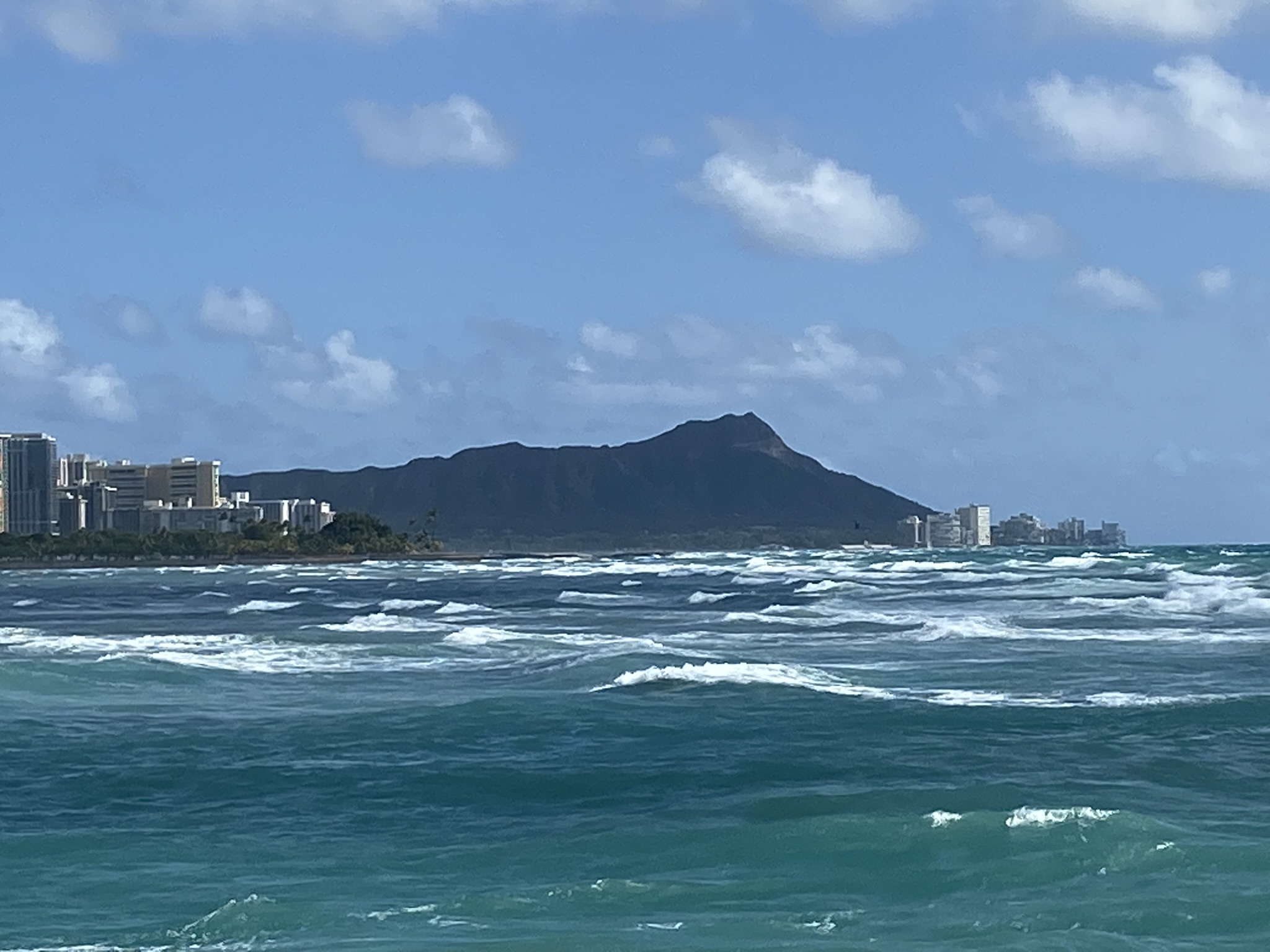
Oʻahu overview
Nicknamed "The Gathering Place," Oʻahu packs a lot into about 597 square miles. The island holds roughly one million residents, which is striking: you can drive from urban Honolulu through suburban neighborhoods to rural farmland and empty coastline in under an hour. This density creates infrastructure advantages the other islands lack: the best public transit, the most restaurant diversity, the deepest cultural institutions. Honolulu's airport (HNL) is Hawaii's main hub with direct flights from dozens of mainland and international cities, making Oʻahu the easiest island to reach and the natural first stop for travelers who want to explore multiple islands.
The Hawaiian name ʻOʻahu translates roughly to "gathering place," which fits both historically and now. Ancient Hawaiian legend says the demigod Hawaiʻiloa named the island after his son. Today it remains the political, economic, and cultural center of the state, holding the Bishop Museum's irreplaceable collection of Hawaiian artifacts, the only royal palace on U.S. soil (ʻIolani Palace), and the preserved remains of Pearl Harbor.
Top things to do
The essentials include Pearl Harbor and the USS Arizona Memorial, the Diamond Head crater hike for sunrise views over Waikīkī, and Waikīkī Beach itself for beginner-friendly surfing and calm swimming. Hanauma Bay is Oʻahu's premier snorkeling site - a protected marine life conservation district with excellent fish diversity - but requires an advance reservation through the city's online system. Book as early as your travel dates allow; slots fill within hours of release.
In winter, the North Shore draws massive swells and hosts major professional surf competitions including the Vans Triple Crown and, when conditions align, the Eddie Aikau big wave invitational at Waimea Bay. Summer transforms the same beaches into calm, safe swimming and snorkeling areas. The seasonal difference is dramatic enough that the North Shore feels like two different coasts.
For culture and history, the Bishop Museum holds the world's largest collection of Polynesian artifacts and natural history, including feather cloaks worn by Hawaiian aliʻi, the bones of extinct birds, and comprehensive exhibits on wayfinding and traditional navigation. ʻIolani Palace downtown is the only royal palace in the United States, built by King Kalākaua in 1882 and later the site of Queen Liliʻuokalani's imprisonment after the overthrow. Guided tours require reservations. The Polynesian Cultural Center in Lāʻie on the windward coast shares living traditions from Samoa, Tonga, Fiji, Aotearoa (New Zealand), Tahiti, and Hawaii across six recreated villages. It is the most-visited paid attraction in Hawaii and appeals particularly to families. See our full things to do hub for detailed coverage of each.
Book Oʻahu tours
Snorkel trips, Pearl Harbor tours, luaus, and North Shore day trips, many with free cancellation.
Book Hawaii ToursWhere to stay
Most first-time visitors stay in Waikiki for logical reasons: it is walkable, densely packed with restaurants and shops, directly on the beach, and served by excellent public transit including TheBus routes that reach most of the island. The density that bothers some travelers is exactly what makes it work for others - you can walk to dinner, buy groceries, rent beach gear, and catch a bus to Hanauma Bay or downtown Honolulu without a car. Hotels range from budget chains to the Royal Hawaiian and Moana Surfrider, two of the most storied properties in the Pacific.
Ko Olina on the leeward (west) coast is the opposite: a resort enclave built around four man-made lagoons about 30 minutes from the airport, quieter and more family-oriented but further from the island's main attractions. Aulani, Disney's Hawaii resort, anchors the area. The North Shore around Turtle Bay appeals to surfers, honeymooners seeking a slower pace, and anyone willing to trade convenience for views of the Koʻolau Range dropping into the ocean. The windward coast towns of Kailua and Kāneʻohe offer vacation rentals near some of Oʻahu's best beaches, though they require a car and feel more residential.
Compare accommodation types, locations, and current prices before committing. Where you stay on Oʻahu genuinely shapes the trip.
Getting around
Oʻahu has the best public transit in Hawaii. TheBus, operated by the city, covers nearly the entire island with frequent service, flat fare ($3 per ride, $7.50 for a day pass), and routes that reach Hanauma Bay, the North Shore, and downtown Honolulu from Waikīkī. The Waikīkī Trolley runs dedicated tourist routes connecting hotels with shopping, dining, and historic sites. Both systems make a car-free Oʻahu stay genuinely feasible if you base yourself in Waikīkī and plan your days around bus schedules.
That said, a rental car opens up the island considerably. Trailheads for hikes like the Makapu'u Point Lighthouse Trail, Mānoa Falls, and the Kuliouou Ridge Trail are easier to reach by car. The windward coast - including Lanikai Beach, Kailua Beach, and the scenic drive along Kamehameha Highway - works better with your own wheels. The North Shore is reachable by bus but far more flexible with a car, especially if you want to stop at multiple beaches or food trucks in a single trip. Parking in Waikīkī is expensive (hotel parking often runs $40-50 per night), so many visitors pick up a rental car only for the days they plan to explore beyond the city.
Read getting around Hawaii to decide what works for your itinerary, and see getting to Hawaii for flight logistics and which gateway cities offer the best fares to HNL.
When to visit
Oʻahu is warm year round, with daytime coastal temperatures ranging from the high 70s in winter to the mid-80s Fahrenheit in summer. For calm swimming, snorkeling, and beginner surfing at Waikīkī, summer (May through September) offers the most reliable conditions. For dramatic surf spectating on the North Shore, winter (November through February) is when the massive swells arrive and the Vans Triple Crown competitions run. The North Shore in summer is calm and safe for swimming; the North Shore in winter is for watching world-class surfers from the beach, not for casual swimming.
Crowds and prices follow the same patterns as the rest of Hawaii: highest in summer (June through August) and during the December holidays, lower in the shoulder seasons (late April through May, September through mid-November). Oʻahu's urban infrastructure and year-round airport access mean that even peak season here feels less strained than peak season on Maui or Kauaʻi, where accommodation and rental cars sell out further in advance.
See our full best time to visit Hawaii guide for month-by-month weather and pricing details, and compare Oʻahu with the other islands in Oʻahu vs Maui and which island to visit.
Planning a Hawaii trip?
Find the best flights and hotels across all islands.
Frequently Asked Questions
Is Oʻahu good for first-time visitors?
How many days do you need on Oʻahu?
Do you need a car on Oʻahu?
We research each guide against primary sources: the Hawaii Tourism Authority and Mālama Hawaii, the National Park Service, the State of Hawaii and its Division of State Parks, the National Weather Service, and the U.S. Census. For culture, language, and history we lean on the Office of Hawaiian Affairs, the Bishop Museum, and the scholarship of Mary Kawena Pukui. We send readers to those sources rather than speaking over them. When rules, prices, or conditions change, we update the page.