
Islands
Maui Travel Guide: Road to Hana, Haleakalā, Beaches
A practical Maui travel guide: the Road to Hana, Haleakalā sunrise, whale watching, where to stay, and the best time to visit Maui.
Maui is where most people picture Hawaii: the curve of a perfect beach, a waterfall through green forest, a sunrise above a crater the size of Manhattan. The two experiences that define the island are the Road to Hana and Haleakalā, and neither one disappoints if you give them the time they deserve. Add humpback whales from December through April, and you have the strongest case for any single island in the chain.
Maui overview
Maui is the second most visited Hawaiian island, and for many travelers it represents the ideal balance: big enough to hold varied landscapes and activities, small enough to feel manageable in a week. The main airport is Kahului (OGG), centrally located between the island's west and south resort coasts. Maui's geography is defined by two volcanoes - Haleakalā in the east, rising to 10,023 feet, and the older, eroded West Maui Mountains - connected by an isthmus where sugarcane fields once dominated and where most of the island's infrastructure now sits.
That elevation range translates to climate extremes. You can swim in 80°F water at a South Maui beach in the morning, drive to the Haleakalā summit for sunrise, and need a winter jacket, gloves, and hot coffee at the top, all within a single morning. The upcountry region around Kula and Makawao, at elevations between 2,000 and 4,000 feet, supports farms growing vegetables, coffee, and the protea flowers that Maui exports worldwide. It rains more here, the air is cooler, and the landscape feels closer to the Pacific Northwest than the tropics.
Top things to do
The Road to Hana is a full-day commitment: 64 miles of narrow, winding coastal road with more than 600 curves and 50+ one-lane bridges connecting Kahului to the town of Hana on the island's remote eastern shore. The drive passes waterfalls - some roadside, others requiring short hikes - black sand beaches, jungle-covered hillsides, and fruit stands selling banana bread baked that morning. It is not a race. The point is stopping frequently, swimming under waterfalls, and taking in the coast. Most visitors turn around at Hana or the Pools of ʻOheʻo and drive back the way they came; the back road around the southern coast is unpaved, narrow, and not covered by most rental car insurance. Read our full Road to Hana guide before you commit the day.
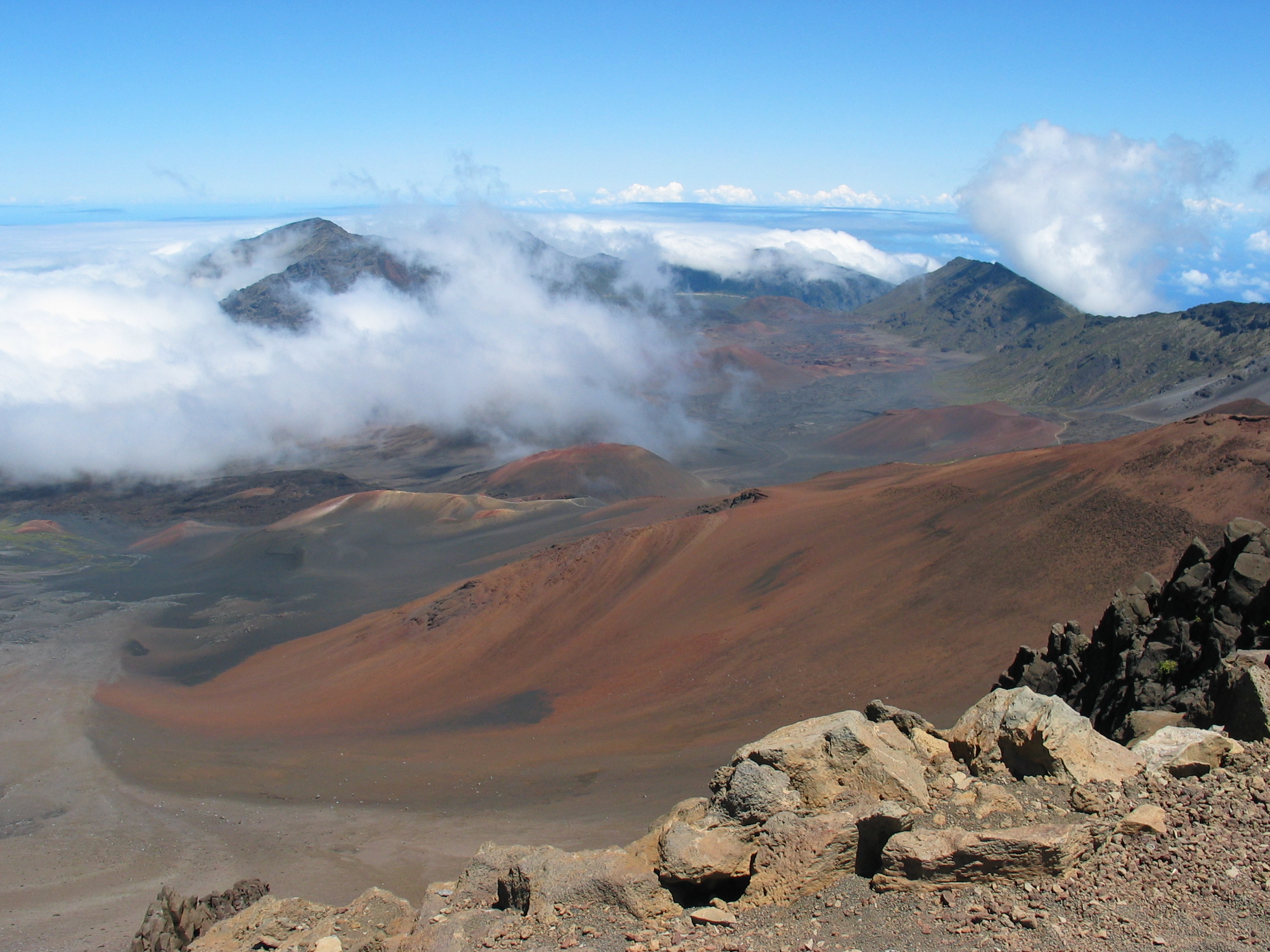
Sunrise at Haleakalā National Park is the other signature Maui experience. The summit at 10,023 feet offers views above the clouds across the volcanic crater - a landscape so otherworldly that NASA tested Mars rover prototypes here in the 1960s. Sunrise requires an advance reservation through recreation.gov, which you must secure weeks or months before your trip depending on season. Slots are limited and sell out quickly. The drive to the summit takes roughly 90 minutes from most resort areas and begins in complete darkness. Bring warm layers: summit temperatures at sunrise routinely drop to 30-40°F even when it is 80°F at sea level.
From roughly December through April, thousands of North Pacific humpback whales migrate to the warm, shallow waters between Maui, Lānaʻi, and Molokaʻi to breed and give birth. This is the densest concentration of humpbacks anywhere in Hawaii. Boat tours departing from Māʻalaea Harbor and from Lahaina (when operations resume) offer close access, and coastal lookouts at McGregor Point and Papawai Point provide free land-based viewing where breaches, tail slaps, and blows are visible from shore. Peak season runs January through March. See our full whale watching guide.
Snorkeling at Molokini Crater - a crescent-shaped volcanic caldera three miles offshore - is consistently rated among the best in Hawaii for water clarity and fish diversity. Boat tours depart early from Māʻalaea or Kīhei and often combine Molokini with a second snorkel stop at Turtle Town (Maluaka Beach area), where green sea turtles rest on the sandy bottom. Looking southwest from South Maui beaches, the low island on the horizon is Kahoʻolawe, a former U.S. Navy bombing range now closed to the public and undergoing slow ecological and cultural restoration.
Book Maui tours
Snorkel trips to Molokini, whale watching in season, and guided Road to Hana tours.
Book Hawaii ToursA note on Lahaina
Travel with care
Wildfires in August 2023 devastated the historic town of Lahaina. Recovery is ongoing. Please respect closures and grieving areas, follow official county guidance, and support local businesses. Tourism remains important to Maui, and travelers are welcome elsewhere on the island.Where to stay
West Maui - primarily Kāʻanapali, Kapalua, and Nāpili - holds many of Maui's larger resorts, condo complexes, and the historic whaling village of Lahaina, though Lahaina itself remains heavily affected by the August 2023 wildfires and many businesses remain closed. South Maui - Kīhei, Wailea, and Makena - is the sunnier, drier side of the island and the most reliable choice for consistent beach weather. Wailea leans toward luxury resorts; Kīhei offers more mid-range condos, vacation rentals, and accessible beaches. South Maui is also closer to Molokini snorkel trips and has better access to the Road to Hana without backtracking.
Upcountry Maui - Kula, Makawao, and the slopes below Haleakalā - is cooler, quieter, and more rural, with bed-and-breakfasts, farm stays, and vacation rentals. It is not a beach base, but it offers quick access to Haleakalā sunrise without a pre-dawn drive from sea level. The Hana side is remote, sparsely populated, and suited to travelers who want isolation and are comfortable with limited dining and shopping options.
Your Maui accommodation choice should align with which activities you prioritize and how much driving you are willing to do. Maui is not large, but daily drives from Kīhei to the northwest coast and back add up over a week.
When to visit
Maui is pleasant year round, with South Maui particularly reliable for dry, sunny weather even in winter. Whale season - roughly mid-December through mid-April, with peak numbers in January through March - is Maui's signature winter draw and the reason many visitors return annually. This window overlaps with higher winter prices and the busy holiday periods (Christmas through New Year, Presidents Day weekend, spring break in March). If seeing whales is your priority, the price premium is worth it. If not, the shoulder seasons of late April through May and September through mid-November offer nearly as good weather at noticeably lower cost.
Summer on Maui (June through August) brings the warmest ocean temperatures, calmest seas, and longest days, but also peak crowds and peak prices. Haleakalā sunrise reservations sell out further in advance. Road to Hana traffic reaches its annual peak. Accommodation on the south and west coasts books solid. If summer is your only option, reserve everything - car, lodging, Haleakalā permits, snorkel tours - as early as your dates firm up.
See the full seasonal breakdown in best time to visit Hawaii, and compare Maui's strengths and weaknesses against Kauaʻi in Maui vs Kauaʻi, against Oʻahu in Oʻahu vs Maui, and across all islands in which island to visit.
Planning a Hawaii trip?
Find the best flights and hotels across all islands.
Frequently Asked Questions
What is Maui known for?
How many days do you need on Maui?
Is it respectful to visit Maui after the 2023 wildfires?
We research each guide against primary sources: the Hawaii Tourism Authority and Mālama Hawaii, the National Park Service, the State of Hawaii and its Division of State Parks, the National Weather Service, and the U.S. Census. For culture, language, and history we lean on the Office of Hawaiian Affairs, the Bishop Museum, and the scholarship of Mary Kawena Pukui. We send readers to those sources rather than speaking over them. When rules, prices, or conditions change, we update the page.