
Islands
Kahoʻolawe: Hawaii's Restored Sacred Island
What Kahoʻolawe is, why it is sacred, its history as a military bombing range, the movement that reclaimed it, and why it stays closed to the public.
Kahoʻolawe is the smallest of the eight main Hawaiian islands, and the only one you cannot visit as a traveler. It sits southwest of Maui, uninhabited and quiet, carrying a history unlike anywhere else in the islands. For half a century the U.S. military used it as a bombing range. Today it is a reserve devoted to healing the land and to Native Hawaiian culture, and its story is among the most moving in modern Hawaii.
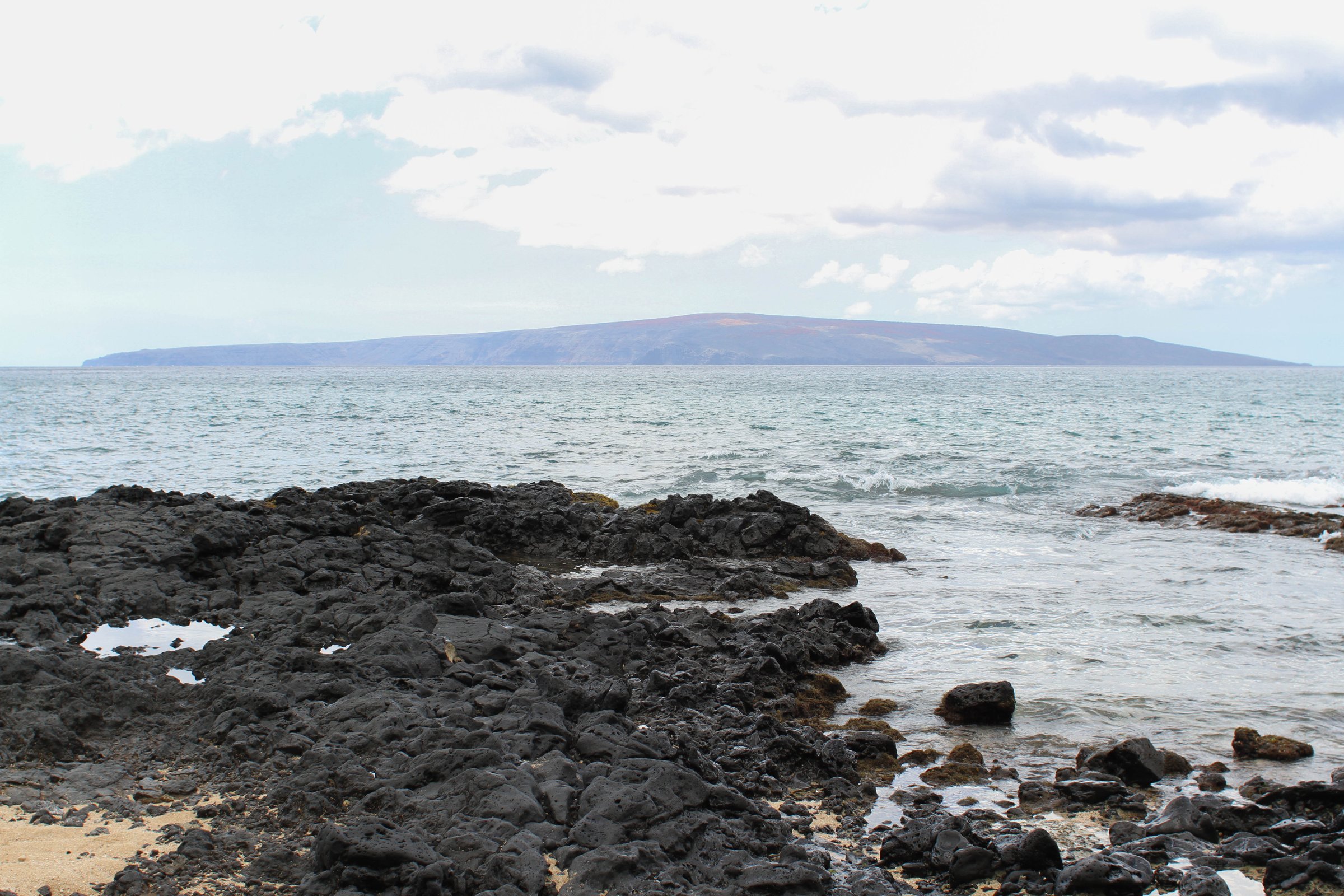
What Kahoʻolawe is
At about 45 square miles, Kahoʻolawe is dry and low, sitting in the rain shadow of Maui's Haleakalā. It has no permanent residents and no public access. The entire island is listed on the National Register of Historic Places, recognizing the density of Hawaiian archaeological and cultural sites across it. The island and its surrounding waters are managed by the Kahoʻolawe Island Reserve Commission (KIRC), a Hawaii state agency.
A sacred island
In Hawaiian tradition, Kahoʻolawe is tied to Kanaloa, the god associated with the ocean and deep-sea voyaging. An older name for the island, Kohemālamalama o Kanaloa, reflects that bond. The island was a training ground where navigators learned to read the stars and swells for long-distance voyaging, connecting it to the wider story of Polynesian migration. That heritage is why its restoration is framed as cultural as much as environmental.
The bombing years and the movement to stop it
Beginning in 1941, the U.S. military used Kahoʻolawe as a bombing and gunnery training range for decades. In the 1970s, a group known as the Protect Kahoʻolawe ʻOhana began a series of occupations and legal actions to stop the bombing and reclaim the island. Their effort became a defining part of the Hawaiian Renaissance. In 1990 the bombing was ordered to stop, and in 1994 the island was formally returned to the State of Hawaii.
Return and restoration
Restoring Kahoʻolawe is slow, careful work. Unexploded ordnance was cleared from parts of the island, though not all of it, and volunteers and staff have worked for years to replant native species, rebuild soil, and revive cultural sites. The commission's guiding motto, "Kūkulu ke ea a Kanaloa," speaks to rebuilding the spirit and life of the island. The work reflects a value at the heart of Hawaiian culture, expressed in a saying the reserve itself uses.
He aliʻi ka ʻāina, he kauā ke kanaka. The land is a chief; people are its servants.
ʻŌlelo noʻeau (Pukui #531). The land comes first, and people care for it. See more in our respectful tourism guide.
Can you visit?
No. Kahoʻolawe is closed to the public, and the ocean within two miles of the island is off-limits as well, both to protect fragile restoration work and because unexploded ordnance remains a real danger. Access is limited to permitted cultural, educational, and restoration activities coordinated through the commission. The way to honor Kahoʻolawe is to learn its story and support the restoration from afar, in the spirit of respectful travel. For official information, see the Kahoʻolawe Island Reserve Commission and our resources page.
Frequently Asked Questions
Can you visit Kahoʻolawe?
Why was Kahoʻolawe bombed?
What is Kahoʻolawe used for now?
We research each guide against primary sources: the Hawaii Tourism Authority and Mālama Hawaii, the National Park Service, the State of Hawaii and its Division of State Parks, the National Weather Service, and the U.S. Census. For culture, language, and history we lean on the Office of Hawaiian Affairs, the Bishop Museum, and the scholarship of Mary Kawena Pukui. We send readers to those sources rather than speaking over them. When rules, prices, or conditions change, we update the page.