
Islands
Kauaʻi Travel Guide: Nā Pali Coast and Waimea Canyon
A practical Kauaʻi travel guide: the Nā Pali Coast, Waimea Canyon, best beaches, where to stay, and when to visit the Garden Isle.
Kauaʻi, "The Garden Isle," is the oldest of the main Hawaiian islands and the most dramatically green. Millions of years of rain, river, and erosion have carved its volcanic rock into soaring sea cliffs, deep river canyons, and valleys so lush they almost glow. It is the island for people who want nature over nightlife, quiet over crowds. The two signature sights - the Nā Pali Coast and Waimea Canyon - are genuinely among the most beautiful places in the United States.
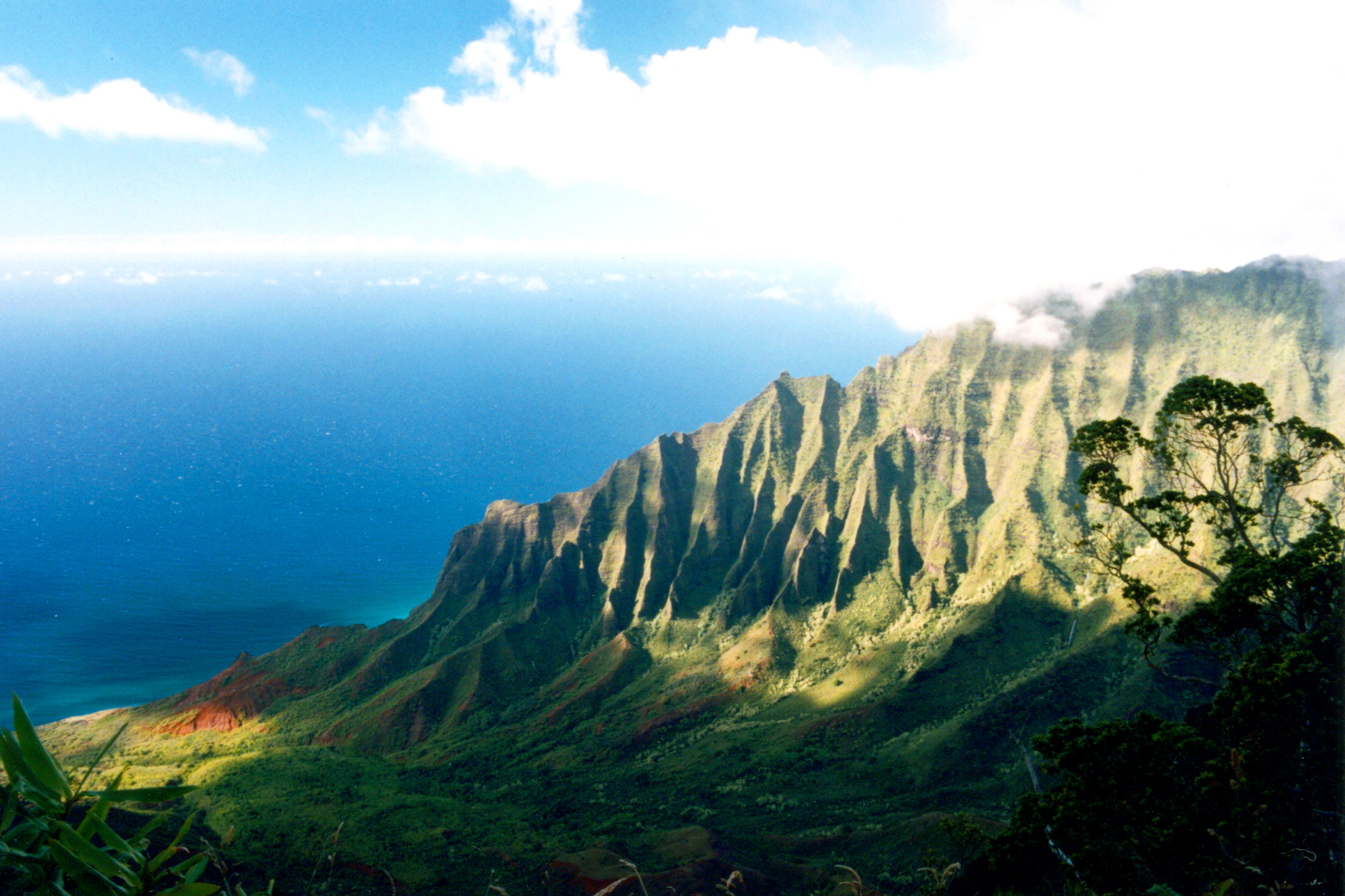
Kauaʻi overview
Kauaʻi is smaller and far less developed than Oʻahu or Maui, with a single main airport at Lihue (LIH) and a population of roughly 73,000 residents. The island formed roughly five to six million years ago, making it the oldest of the main Hawaiian islands. That age matters: millions of years of rainfall, river erosion, and weathering have carved Kauaʻi's volcanic rock into landscapes that feel more sculpted, more softened, more rounded than the younger islands. Mount Waiʻaleʻale, near the island's center, receives more than 400 inches of rain annually, making it one of the wettest spots on Earth. That water feeds rivers, waterfalls, and the impossibly green valleys that earned Kauaʻi its nickname.
The Nā Pali Coast on the island's northwest shore interrupts the shoreline so completely that there is no road around Kauaʻi - the main highway forms a horseshoe rather than a loop. That geographic barrier, combined with strong community resistance to resort development and strict county building codes (no structure taller than a coconut tree), is exactly what keeps Kauaʻi less crowded and less commercialized than the other visitor islands. There are no high-rises. There is no urban sprawl. The pace here is slower, and the island asks you to match it rather than imposing your own speed.
Top things to do
The Nā Pali Coast is the centerpiece of Kauaʻi and one of the most dramatic stretches of coastline in the Pacific: 17 miles of fluted green sea cliffs rising as high as 4,000 feet directly from the ocean, carved by millions of years of rain and river erosion into knife-edge ridges and hanging valleys. The coast can only be reached by the Kalalau Trail on foot (11 miles one-way to Kalalau Beach, requiring a permit and overnight camping gear for the full distance), by boat tour departing from the west side, or by helicopter. Each approach offers a completely different perspective. Hiking the trail gives you ground-level immersion in the landscape; boat tours provide ocean-level views of sea caves, waterfalls, and arches; helicopters offer the only way to see the interior valleys that are inaccessible by land or sea.
The Kalalau Trail's first two miles to Hanakāpīʻai Beach are accessible as a day hike without a permit, though the trail is steep, muddy, and exposed with significant elevation change. Continuing to Hanakāpīʻai Falls adds another four miles round trip. The full 11-mile trail to Kalalau requires a camping permit obtained through the Hawaii Department of Land and Natural Resources, and spaces book out months in advance. This is not a casual hike - it is strenuous, often slippery, and requires real preparation.
Waimea Canyon, sometimes called the Grand Canyon of the Pacific, is a 10-mile long, 3,000-foot deep river gorge cutting through the island's volcanic interior. The canyon walls are banded in shades of red, orange, rust, and green depending on mineral content and vegetation. The scenic drive up Waimea Canyon Road (Highway 550) passes multiple lookouts, each offering different vantage points. At the top, Kōkeʻe State Park provides access to high-elevation trails through native forest and lookouts over the Nā Pali Coast's interior valleys. The Pihea and Alakaʻi Swamp Trails lead into the wettest, foggiest, most otherworldly terrain on the island.
The north shore beaches around Hanalei Bay - including Hanalei Beach Park, Lumahaʻi Beach, and Tunnels Beach (Makua) - are among the most beautiful in Hawaii. In summer (May through September), the water is calm, clear, and ideal for swimming and snorkeling. In winter (October through April), massive north swells make the same beaches dangerous and often closed to swimming entirely. The seasonal transformation is dramatic. Always check surf and current conditions before entering the water.
Book Kauaʻi tours
Nā Pali boat tours, helicopter flights, and guided hikes across the Garden Isle.
Book Hawaii ToursWhere to stay
The south shore around Pōʻipū is the sunniest and driest part of Kauaʻi and the most straightforward choice for a first visit. Pōʻipū Beach Park is protected, family-friendly, and consistently ranked among the best beaches in the United States. The area has a mix of resorts (including the Grand Hyatt Kauaʻi), vacation rentals, and condos, with restaurants and shops within walking or short driving distance. Weather here is the most reliable on the island, even in winter when the north shore sees heavy rain.
The north shore around Princeville and Hanalei is breathtaking - genuinely some of the most beautiful coastline in Hawaii - but noticeably wetter in winter and more limited in dining and shopping options. Princeville is the primary resort area, perched on bluffs overlooking Hanalei Bay. Hanalei town itself is small, laid-back, and local-feeling, with a few restaurants, a grocery store, and vacation rental options. This side of the island works best for travelers who prioritize scenery over convenience and who are comfortable with rain.
The east side near Kapaʻa is the most central and often the most affordable. Kapaʻa town has more budget and mid-range hotels, a coastal bike path, restaurants, shops, and easy access to both the north and south shores. Staying here means you will drive 30-45 minutes to reach either Pōʻipū or Hanalei, but you save money and gain flexibility. The west side near Waimea is the least developed and least visited, with minimal tourist infrastructure but proximity to Waimea Canyon and the departure point for Nā Pali boat tours.
Wherever you base yourself, a rental car is essential. Kauaʻi has no meaningful public transit, and the island does not work without your own vehicle. Distances are not huge, but daily drives between regions add up.
When to visit
Kauaʻi is the wettest of the main Hawaiian islands, particularly on the north shore and in the island's interior. Mount Waiʻaleʻale receives more than 400 inches of rain annually, and the north shore town of Hanalei averages more than 80 inches. The south shore around Pōʻipū is significantly drier, averaging 30-35 inches annually, which makes it the most reliable choice for consistently dry weather. Winter (November through April) is the wetter season across the island, with the north shore seeing persistent rain and high surf that closes beaches and makes the Kalalau Trail more treacherous. Summer (May through October) brings calmer seas, better swimming and snorkeling, and more predictable weather, though even summer sees occasional rain showers.
For north shore activities - swimming at Hanalei Bay, snorkeling at Tunnels Beach, or hiking the Kalalau Trail - summer is the clear choice. For Waimea Canyon, boat tours, and south shore beaches, any season works, though winter can bring road closures and trail mud at higher elevations. Prices and crowds follow the standard Hawaii pattern: highest in summer (June-August) and winter holidays (late December through early January), lowest in the shoulder seasons (late April-May, September-November).
Kauaʻi also sees periodic flooding, particularly on the north shore. Major floods in April 2018 damaged roads and closed access to Hāʻena State Park and the Kalalau Trail for more than a year. Infrastructure has since been rebuilt with improved drainage and a permit system to manage visitor numbers, but the island's geography makes it vulnerable to extreme rain events. Check weather forecasts and road conditions before traveling to the north shore in winter.
For the full seasonal comparison and pricing guidance, see best time to visit Hawaii, and weigh Kauaʻi's strengths and trade-offs against Maui in Maui vs Kauaʻi and across all islands in which island to visit.
Planning a Hawaii trip?
Find the best flights and hotels across all islands.
Frequently Asked Questions
What is Kauaʻi known for?
Is Kauaʻi good for families or couples?
Can you drive around all of Kauaʻi?
We research each guide against primary sources: the Hawaii Tourism Authority and Mālama Hawaii, the National Park Service, the State of Hawaii and its Division of State Parks, the National Weather Service, and the U.S. Census. For culture, language, and history we lean on the Office of Hawaiian Affairs, the Bishop Museum, and the scholarship of Mary Kawena Pukui. We send readers to those sources rather than speaking over them. When rules, prices, or conditions change, we update the page.